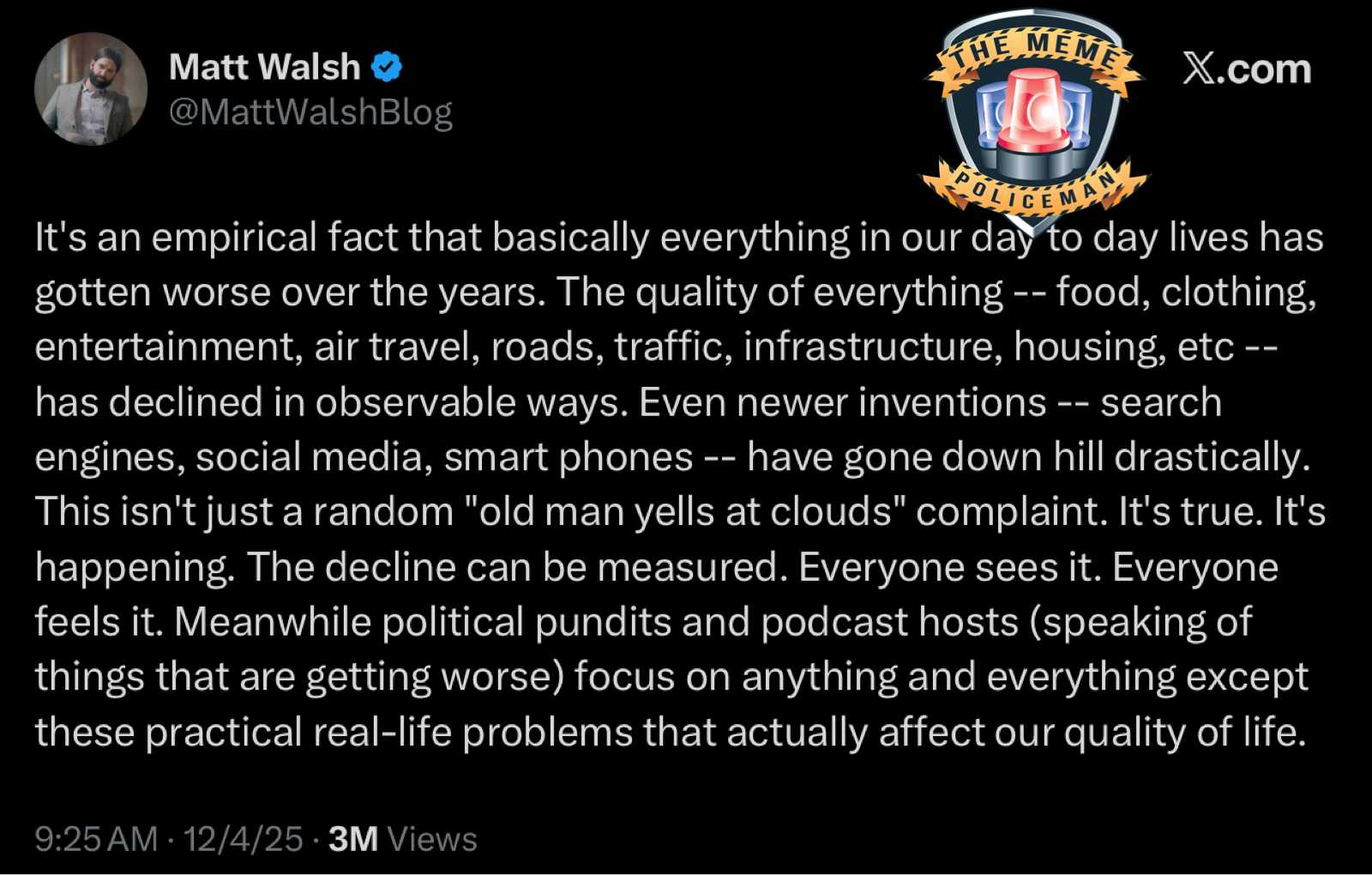


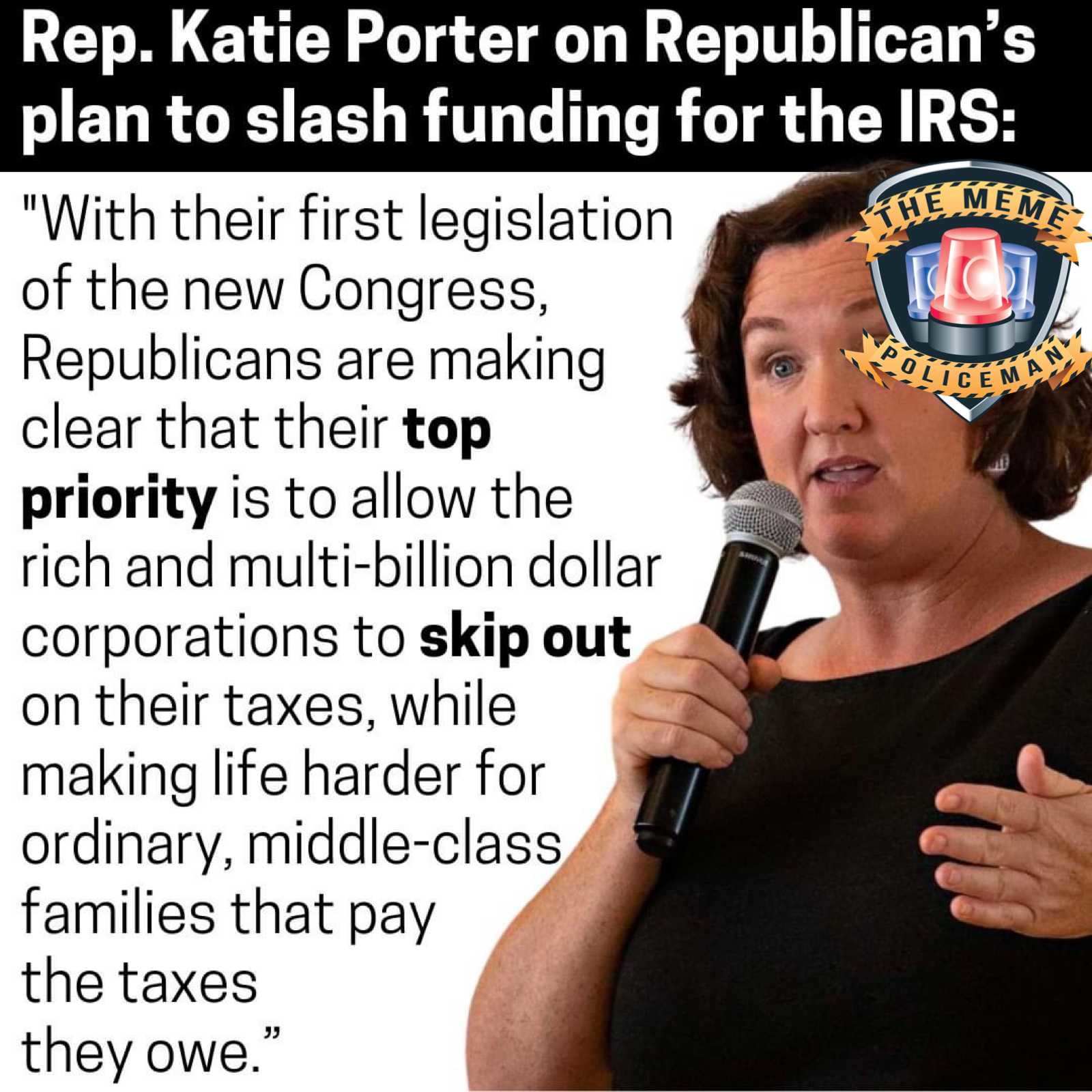
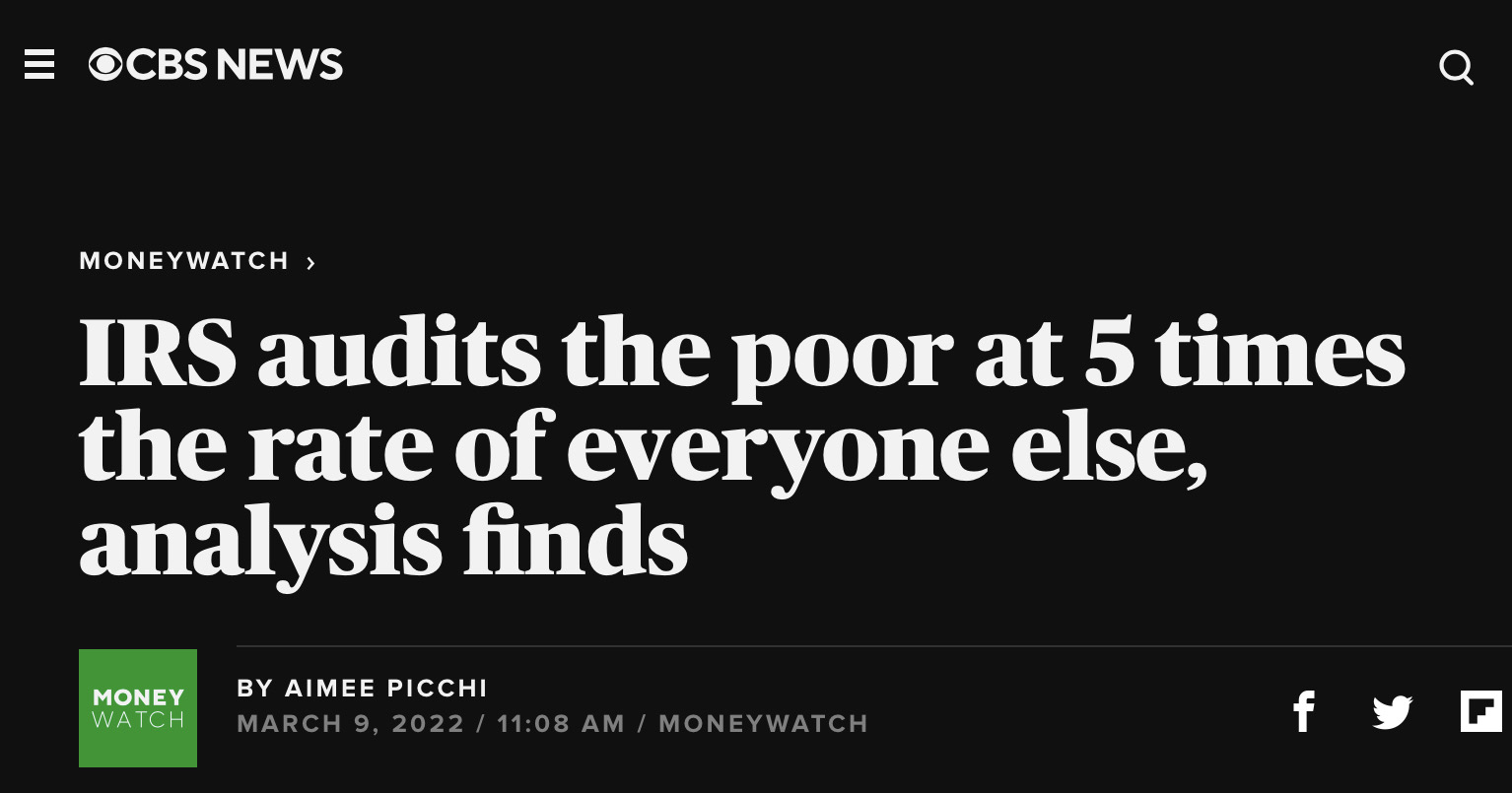
The notion that increased IRS resources would primarily go to crack down on the rich is contrary to current and past IRS practices, as well as basic logic.
▪️The rich use accountants to file taxes. They know precisely how to find all of the legal tax breaks and avenues to shelter income. If audited, they have a professional to defend them. Very few rich people would jeopardize their wealth by violating tax law, especially when they can find legal avenues to lower them.
▪️It’s the poor and working class who are far more likely to cheat on their taxes. The gig workers, tip workers, doing jobs for cash off the books, fledgling small businesses, etc. They have an incentive to hide income from the IRS, but are also much less sophisticated at it, and usually have no one to defend them in an audit.
▪️Thus, if you are an agency trying to find unpaid taxes, fraud is far more likely to be found among poor and working class tax returns, Plus, they will be largely unable or unwilling to defend themselves in a tax case. It’s far more lucrative to target them, that is the reality of the incentives at play.
▪️Note: this isn’t suggesting a moral failing among the poor/working class. Especially if you believe taxation is theft/coercion, not paying taxes is simply trying to keep your own money. But it is a legal failing and something the IRS can take action on.
So many of these right wing accounts are just whiners now, this is a diatribe about automatic sinks and towels, the horror! As I explained in a prior post, most of the newer terminals have great bathrooms, some now have completely private stalls and plenty of them. The worst and most crowded airport bathrooms are invariably found in aging terminals that are decades old. It’s a reminder that airports were usually drab and uncomfortable.
I think the heyday of the air hand-dryers was like 15-20 years ago, where often you couldn’t find real towels. Now you can at least usually get real paper towels in airport bathrooms. Remember those old cloth roller towels that would go in a loop and somehow “clean” themselves? Yuck! Public bathrooms have always been gross, it seems some are deliberately having selective memories.
Airport food and drinks were always expensive, but now practically everyone brings those huge cooler flasks with them and fills them up. So not sure what he means that ...

I first critiqued this terrible take by looking at how food has actually improved substantially. Even though I said the same could be done in every category, people said “you’re only doing food.” So let’s do air travel and see why it’s not gotten better, not worse.
▪️Aircraft have greatly improved. Just 15-20 years ago, many domestic routes (~15%) were flown by turboprops like the Brasilia, Dash 8 or Saab. Now, almost everything is in jets, and most aircraft have WiFi. Some even have Starlink, where you probably have faster WiFi than your home. Most major airlines offer dozens or hundreds of movies and shows to watch.
▪️Newer designs like the 787 have lower cabin altitudes and improved humidity, which make a huge difference in passenger comfort on long haul flights. The first/business class international market has gotten very competitive globally, with many carriers offering excellent service and amenities. Pods, suites, showers, etc. Coach still sucks but is dramatically cheaper ...
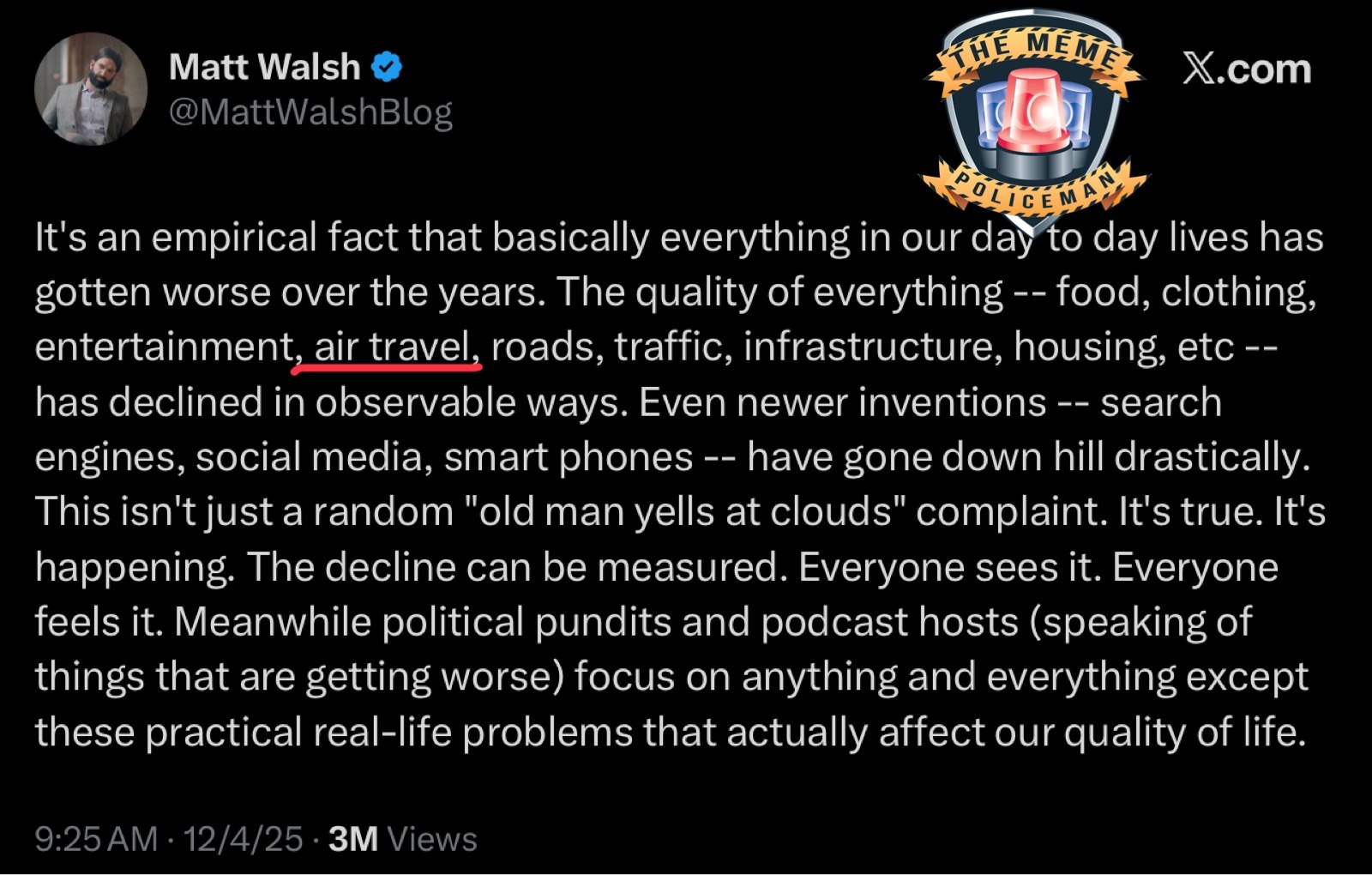
This is the complete opposite of an empirical fact. The right has now joined the left in being pessimistic about the modern world and completely unappreciative of the amazing abundance we now have. I’ll just focus on food here, but you could do it for almost every category.
▪️Fresh produce used to be available only in season. In the winter it was canned or frozen. People used to send fruit for Christmas gifts, it was that much of a luxury good. Now, you can get giant, sweet berries year around in every grocery store. Corn on the cob in February. Not to mention once rare items like dragon fruit, heirloom tomatoes or baby bok choy.
▪️If you didn’t live on the coast, seafood was either not available, frozen, or extremely expensive. If you lived in the Midwest and traveled to coastal locales you would quite literally be able to eat food you had never seen. Salmon has become much more abundant and accessible. You can get fresh ahi at Walmart today. Sushi and oyster bars exist everywhere ...